
Grilled Steaks ~ Perfected My Way
Send Me Home, Where the Cows Roam
I like a good steak, and when I say good I mean mine. Okay, that may sound a bit presumptuous, but I have eaten at a lot of fancy steakhouses and their steaks are pretty good. What sets them apart from mine is the atmosphere and service.
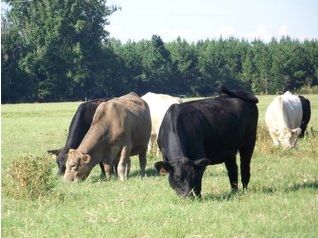
Growing up on a farm that raised cattle, it should not be a surprise that we ate beef and a lot of it. Grilled steaks were one of our favorite choices, weather permitting, which was most of the time. Momma preferred cooking Delmonico style, which is lightly seasoned with salt, basted with melted butter and grilled over a lively fire. Simple, served with natural au jus, it is just good eating. I follow her lead every so often, and serve it with au gratin potatoes in true Delmonico fashion.
Then there is the other way, a simple rub of oil with a sprinkle of salt and pepper served with my Marchand de Vin Sauce. That is fine eating too, one for special guests or occasions, a sauce that can turn a choice cut of meat into one tasting like prime.
Now, on to today's grilling.
Grilled Steaks, Perfected My Way
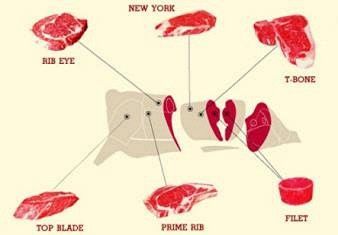
Choose your cut. Ribeyes are our favorite because of the marbling of fat, perfect for grilling. Tenderloin or filet mignon is supple but lacks fat and needs a good dose of oil massaged into it, as does the top loin or New York strip. Both of these cuts benefit from added seasonings. The porterhouse, because of its size and flavor, needs to be chosen carefully and cut by a trained butcher, and really ought to be prime beef. T-bone steaks are a good choice too, just select one with good marbling. Then there is the top sirloin, which I grill many times because of affordability and because I know I can make it taste extraordinary. Select one with as much marbling as possible; it will need coaxing with added seasonings like below and a finishing sauce.
Prepare the steaks. Trim off any outside fat thicker than about 1/4 inch. Where thicker fat has to remain, make cuts at 2-inch intervals through the fat but not into the meat, which keeps the steak from curling. Pat the steaks dry with paper towels on both sides and, if bone-in, brush off any bone particles. Rub the surface generously with a good vegetable oil or olive oil on both sides. Place the steaks on a clean tray and let them set out at room temperature for about 30 minutes.
Season. For the puritan, salt and pepper with maybe a light touch of garlic. Notice I add the salt after rubbing in the oil. Salt on raw meat draws the natural juice to the surface and the steak will not brown properly. I believe the oil not only helps browning but also acts as a barrier, still allowing the salt to penetrate as the meat cooks. If you want to experience my kind of steak, use this rub. The thicker the cut, the more rub.
My Steak Rub
Use a little or a lot. Adds depth of flavor.
1 teaspoon dried thyme
1 tablespoon kosher salt
1 tablespoon black pepper
1 tablespoon cayenne
1 tablespoon dried oregano
1 tablespoon cornstarch
2 tablespoons dry mustard
2 tablespoons chili powder
2 tablespoons paprika
2 tablespoons garlic powder
2 tablespoons onion powder
1/3 cup brown sugar
Mix together well and store any unused rub in an airtight container.

Grill. Heat the grill to high on direct heat, either gas or charcoal, to 400 to 450 degrees F. No need to oil the grates as the steaks are already oiled. Place the steaks on and cook covered 3 to 5 minutes each side or until a nice brown crust forms. Lower the heat or move the steaks away from the fire and cook to desired doneness depending on thickness. Keep the cover closed as much as possible. Use tongs to turn the steaks, never a fork, so the natural juices do not escape before hitting the plate.
Another way is to use an internal thermometer:
120°F to 125°F (49°C to 52°C): Rare
130°F to 140°F (55°C to 60°C): Medium Rare
145°F to 150°F (63°C to 66°C): Medium
When is it done? Take a peek every now and then and look at the juices on the surface. A rare steak will not release any red juice on the surface yet. You should see red juices form as the steak approaches medium rare, more as it becomes medium with an increase in sizzle and drip over the fire. When the red juices start to turn brown, the steak is approaching medium well.
I like to sprinkle my Jim Beam Steak Marinade over each steak just as I place it on the grill and again when I turn it. When ready, remove from the grill and let rest, uncovered, for 5 minutes before serving. This allows the steak to reabsorb its juices. If you must hold steaks any longer, lay foil loosely over the plate or keep them in a warming tray. Thin slices of butter, seasoned or not, are often used to finish off steaks.
Recipes & Posts