
Making Proper Gravy
How to Make Gravy Like Momma
Southern Kitchen Classics: Gravy Making
Many essential things come from the kitchens of our parents and grandparents. Many are life’s lessons, a few are about cooking and a few come with recipes. This one is about cooking.
To our ancestors, making a sauce or gravy was not science, but today we know it is just that. Both sauce and gravy consist of thickening agents combined with an aqueous mixture to increase its viscosity without substantially modifying its other properties, such as taste. Done properly, this provides body, increases stability and improves suspension of added ingredients. Thickening agents include polysaccharides (starches, vegetable gums and pectin), proteins (eggs, collagen, gelatin and blood albumin) and fats (butter, oil and lard). All-purpose flour is the most popular food thickener, followed by cornstarch, arrowroot, potato or tapioca. All of these thickeners are based on starch. But unlike the last four, only all-purpose flour is widely used in making gravy, as cornstarch (which is actually a flour too) and the root crops yield clear, translucent gravies and will not brown as in making a roux.
Now in the South, and I mean the Deep South, the terms gravy and sauce are the same. In fact, sauce is rarely used in many parts and, as I remember from my youth, ‘gravy is spooned from the pan and sauce is served at the table.’ Here, I use gravy as a compatible word.
Three Basic Ways to Thicken with Flour
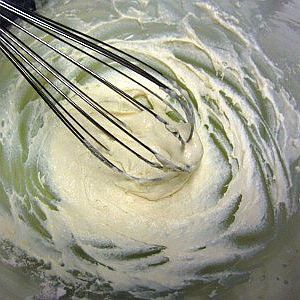
Using a slurry, which is flour and cold liquid combined and whisked into a base liquid before raising the temperature needed to thicken the sauce. This method does allow you to skip the addition of fat.
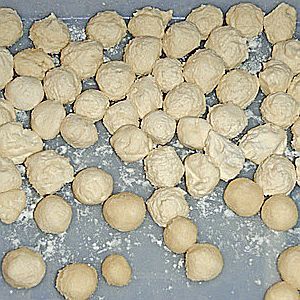
Making a paste of flour and fat (Beurre Manié) and whisking it into a heated base liquid to thicken.
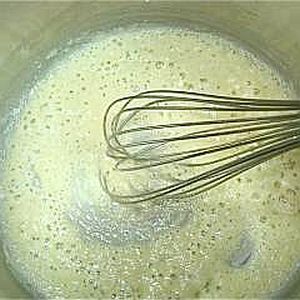
And the best, making a roux of flour and fat. Period.
By using the first two methods to make a gravy, the sauce will not maintain stability, and both require a long time to cook out the raw flour taste. By starting with a roux, which is mostly equal parts flour and fat, you cook to break down the flour and rid it of that raw taste before adding the base liquid.
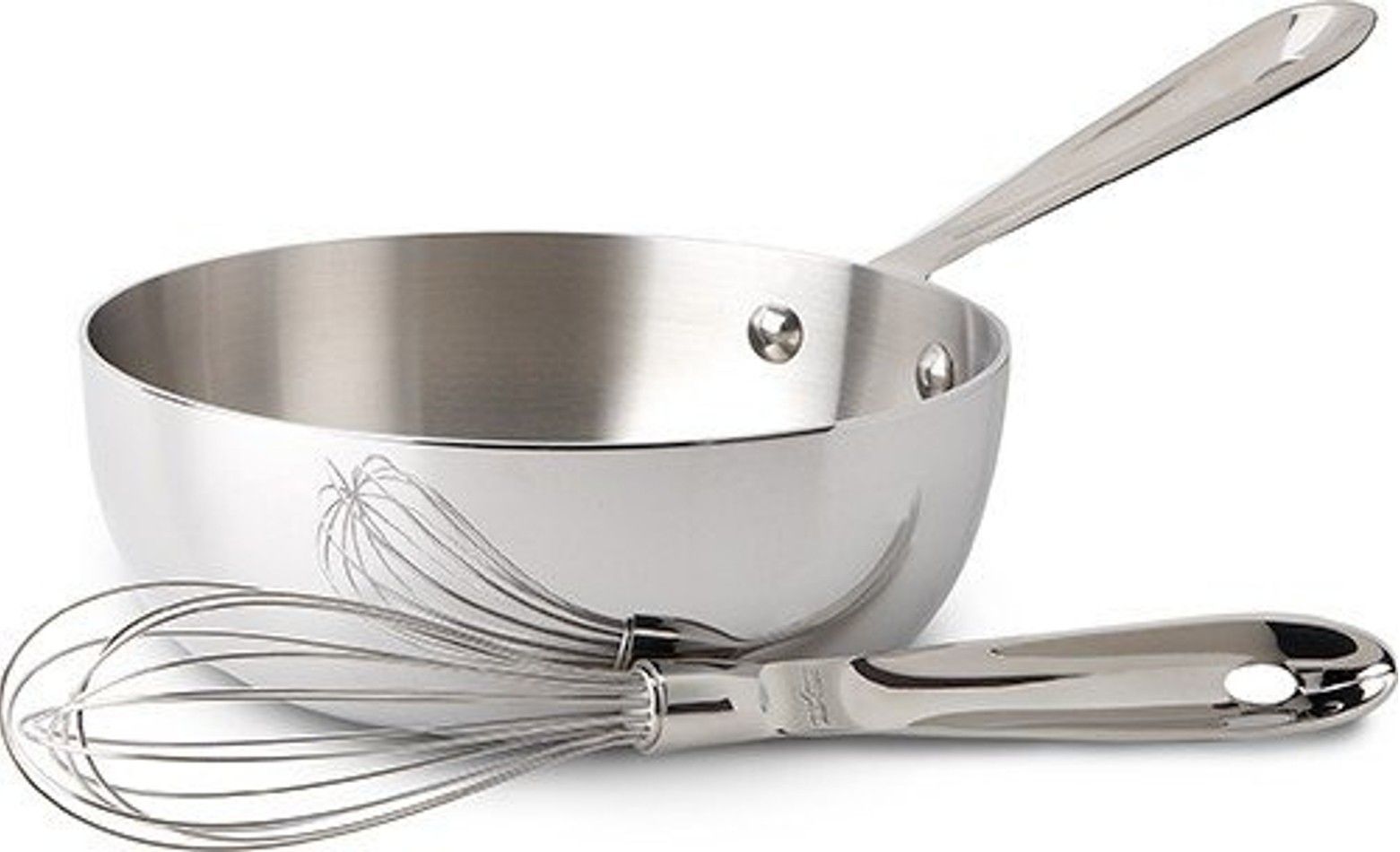
The best pan to use for a gravy is of course a saucier, but a rounded bottom skillet will do nicely too. If you are making a dark roux, make sure your saucier, pot or skillet is a heavy, 3-ply or cast iron vessel. A good whisk with many tines along with a flat bottom spatula are the basic tools for making roux for gravy.
The Ratio
So what is the best ratio of ingredients? According to Alton Brown, 1 cup of liquid with 1 ounce of flour and 1 ounce of fat by weight is the trick. If you need 3 cups of gravy, increase everything by 3. Momma did not weigh out her ingredients, nor do I. Like her, I do the tablespoon method and it goes like this: for every 1 cup of liquid, make a roux using 2 tablespoons of fat with 2 tablespoons of all-purpose flour.
Making the Roux
Now, let’s get to making gravy. Melt the fat (lard, oil or butter) over medium heat and, when melted and hot, whisk in the flour all at once. Whisk well for 2 minutes, by which time the roux should start to thin out or spread a little on its own. At this point, turn down the heat to low and continue whisking. It is here that the level of thickening power is achieved, and here that how long you stir and cook determines the color and flavor.
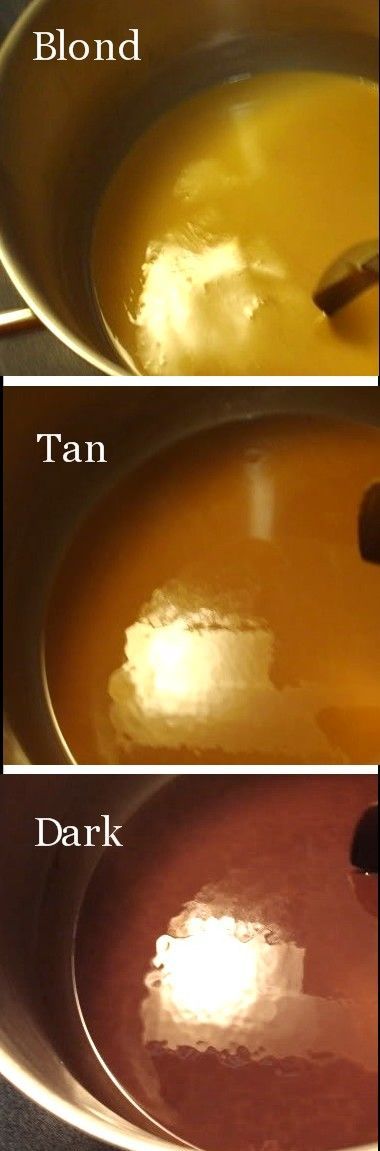
A rule for type of roux, thickening power and cooking time on low heat goes something like this.
White
: 1 part roux, cooks about 5 minutes.
Blond
: 2 parts roux, about 20 minutes of stirring.
Tan Chocolate
: 3 parts roux, plan on up to a good hour.
Dark Creole Brick Red
: 4 parts roux, takes up to 2 hours.
You see, the lighter the roux, the more thickening power it will have and, likewise, the darker it is, the less, meaning the more you will need to thicken the same amount of liquid.
Adding the Liquid
I have always followed Momma’s way, introducing the roux to the liquid base with both ingredients hot, or at least the liquid on the warm side and the roux cooled down a bit by removing it off the heat or caramelizing vegetables before the liquid’s melding. Chef Brown’s axiom is that the roux should be room temperature and the liquid base hot. I mention this only because I have much faith in Sir Alton, but Momma’s way has never let me down.
Either way, slowly whisk about 1/3 of the liquid into the roux over high heat, forming a paste. This will ensure a smooth, binding gravy. When thickened, add another 1/3 of the liquid and whisk until smooth. With the roux method, the gravy will thicken quickly, at about 150 degrees F, or about the time you first start to see bubbles breaking the surface. Add more liquid, a tablespoon at a time, until the desired consistency is reached. At this time, your gravy is ready.
Note that gravy made with a flour roux will also cool down quicker than, say, one made with the Beurre Manié method. Therefore, it is necessary to thin a roux-based gravy down a tad more than you would think, knowing it thickens as it cools, especially if serving at the table.
Gravies from a Roux Base
Momma had a flair for making various sauces and would stand over the stove, then cunningly use that same labor-intensive sauce over heated vegetables from the freezer. Some of her best sauces and gravies come from a roux base, including these. Each is shown with a recipe from the Recipes page.
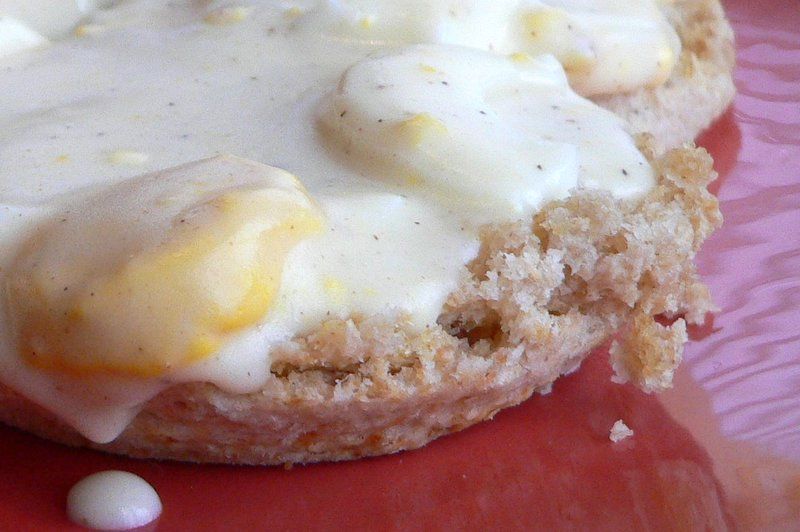
Béchamel, with Creole Creamed Eggs
Béchamel : a white milk gravy made with all-purpose flour and butter.
Mornay : take the white gravy and add cayenne along with Gruyère and Parmesan.
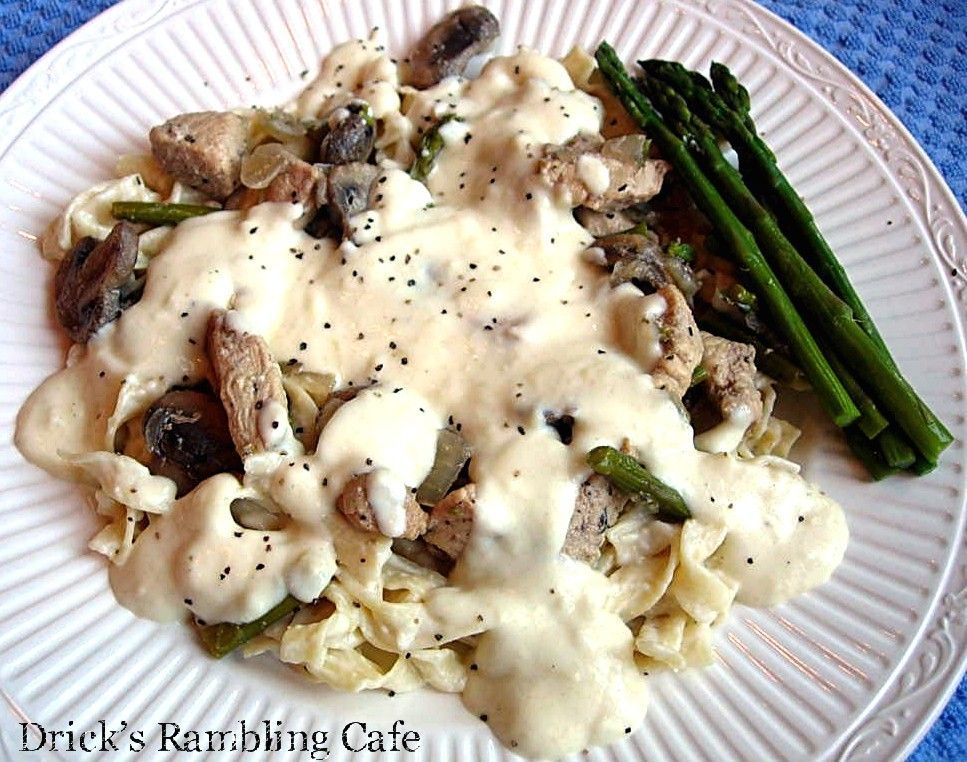
Alfredo, with Creamy Chicken Alfredo
Alfredo : the white roux gravy adding garlic, Parmesan and a pinch of nutmeg.
Soubise : classic Béchamel with the addition of shallots or onion.
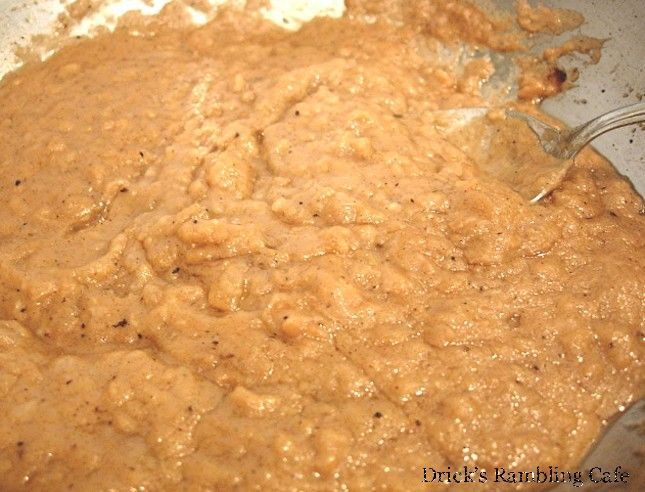
Velouté, with Sweet Onion Apple Pear Gravy
Velouté : a meat flavored sauce using a butter and flour roux along with a base liquid of chicken, fish or veal stock.
Paprika : a Velouté with the addition of onion, added butter, paprika and heavy cream.

Cheese, with Baked Macaroni and Pimento Cheese
Classic Cheese for Mac : the Béchamel blended with cheddar cheese, perfect for vegetables too.
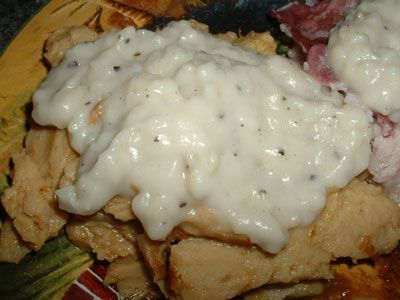
Saw Mill, with Fried Chicken Fillets
Saw Mill Gravy : the white milk gravy heavily seasoned with black pepper, sometimes with bits of browned ground country sausage.
Red Eye Gravy : flour roux with country ham drippings and coffee.
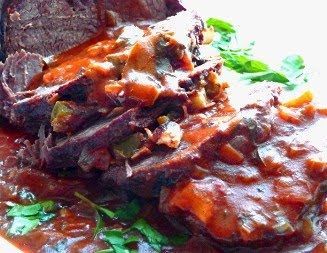
Tomato Gravy, with Creole Daube
Creole Tomato Gravy : a seasoned roux gravy with the addition of diced tomatoes.
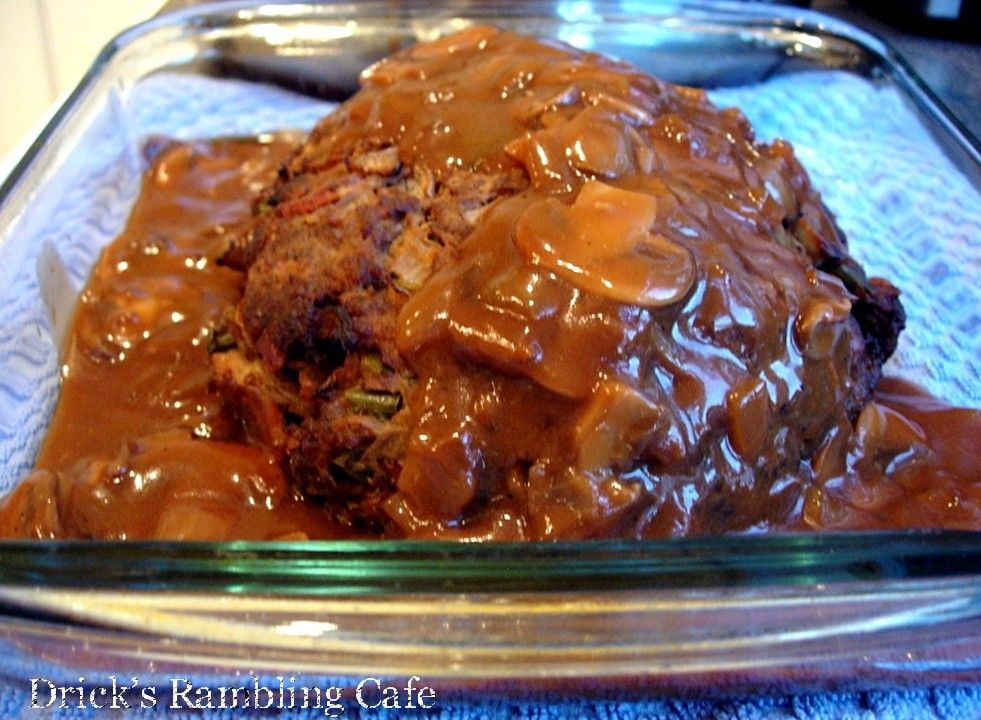
Brown Gravy, with Momma’s Meatloaf
Brown Gravy : pan drippings from cooked meat stirred into a darkened flour-based roux.
Recipes & Posts