
Southern Roast Turkey
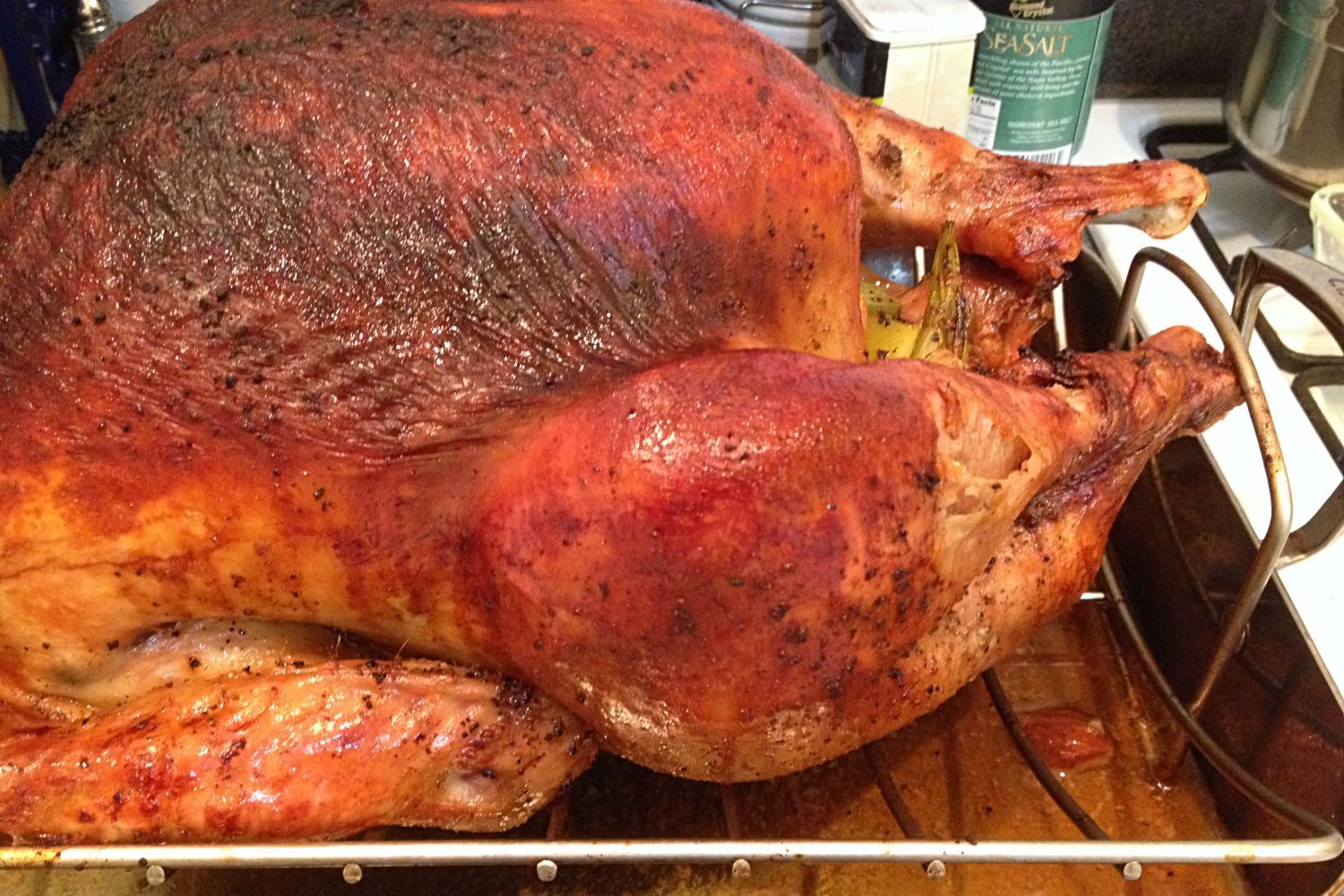
There is none finer to grace the table than Turkey Hen, or Dinde as the Creoles say.
There are so many variations of turkey preparation, from the Creole Daube method, to having it stuffed with breading or with other fowl as in a turducken, opting to cook it spatchcocked, stewed, braised, grilled, smoked, deep-fried, in a brown paper bag, even the extra efforts of scalding, brining and injecting it with marinade . . . we could be here all day!
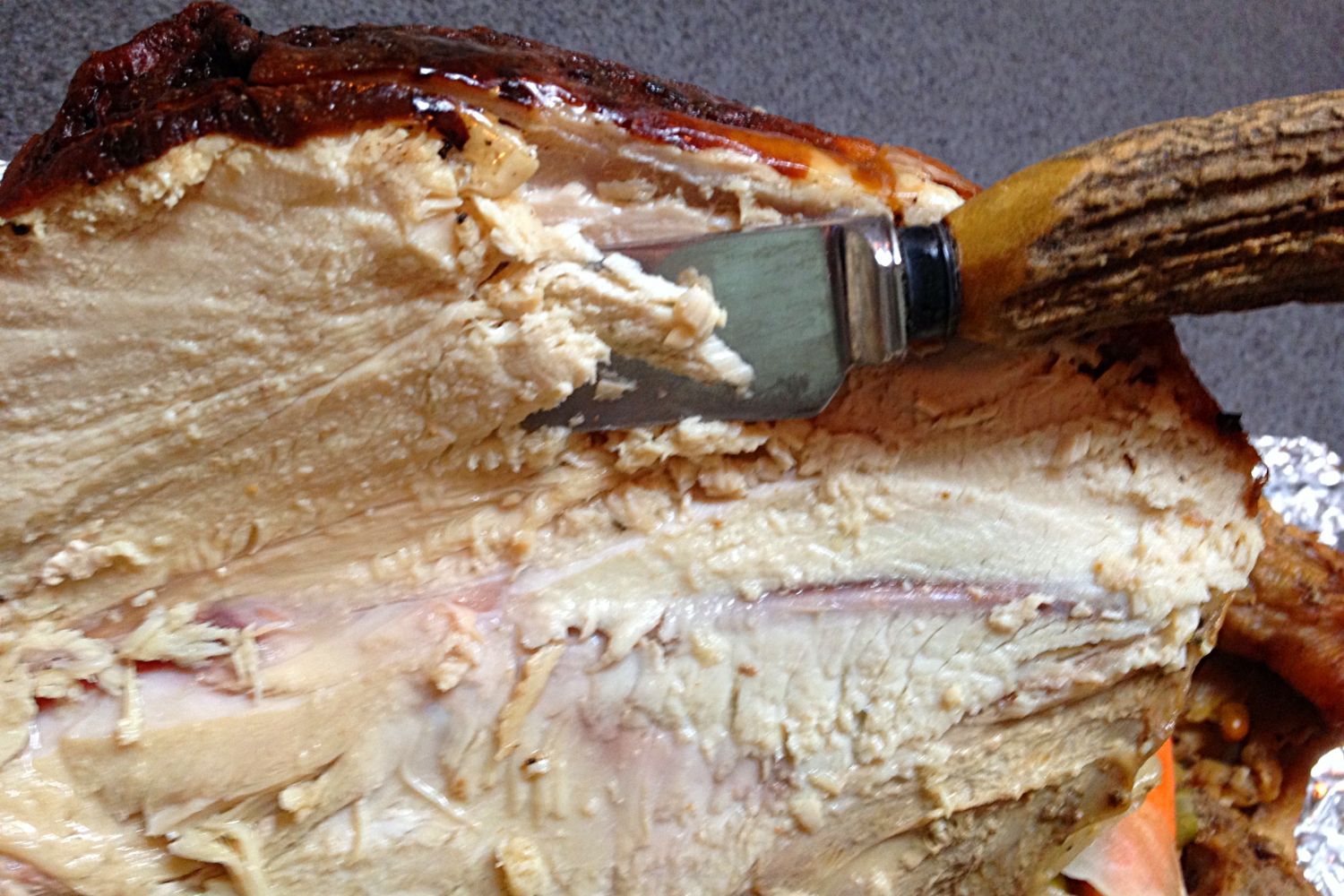
Nothing beats a perfectly roasted turkey.
The Bird
I was taught it is best to purchase a fresh hen when possible, the younger the better, as the meat will be tender and delicate. Choose one between 12 and 18 pounds. If you are serving a lot of folks, buy two hens instead of one big 24 to 28 pounder, as the cooking time will be less for the two as opposed to the larger one and, as said, the meat more tender. If choosing a live one from Farmer Brown, choose the fattest one and be sure to ask the age; between 16 and 20 weeks, I am told. Tom turkeys, or gobblers, are best for stewing as the meat is tough and the fiber too strong for roasting (unless a young Tom, 12 to 16 pounds).
When choosing the hen, look at the breast. It should be broad, as wide as the width of the bird itself, really flat and meaty. Notice the smoothness and color of the overall skin. It should be sufficiently elastic in feel and white in color, not leathery or yellow.
The Prep
To achieve a most perfect, moist and tender roast turkey, it is essential that a few rules of cookery are followed. While many believe coating the bird with salt is vital for the meat fibers to retain the natural juices, there are just as many who believe salt and acid together are needed. A slow roast technique must be followed properly in order for the outside to brown without burning while the inside meat temperature rises during the same timing without overcooking. Big brand turkey processors will tell you to cook in a constant 325 degree F oven. I tend to like the Joy of Cooking method of starting in a hot oven, then slow roasting at a cooler temperature. I also use a cheesecloth application over the breast meat to avoid burning.
Many years ago, Southern cooks roasted using this same method, placing a piece of tightly woven linen, normally from a flour sack, over the fowl, and in some regions folks chose a loose muslin cloth to do the same thing. It is important that when using any type of woven material, the cloth be constantly moistened. This keeps the white meat of the breast moist and prevents it from over-browning while the succulent dark meat has time to cook to proper temperature. And this basting every 30 minutes or so is what makes this method achieve such a delectable, flavorful and moist turkey.
The Recipe
Southern Roast Turkey
Serves 10 to 14
Ingredients
1 (14- to 18-pound) turkey hen, fresh or frozen
Stuffing
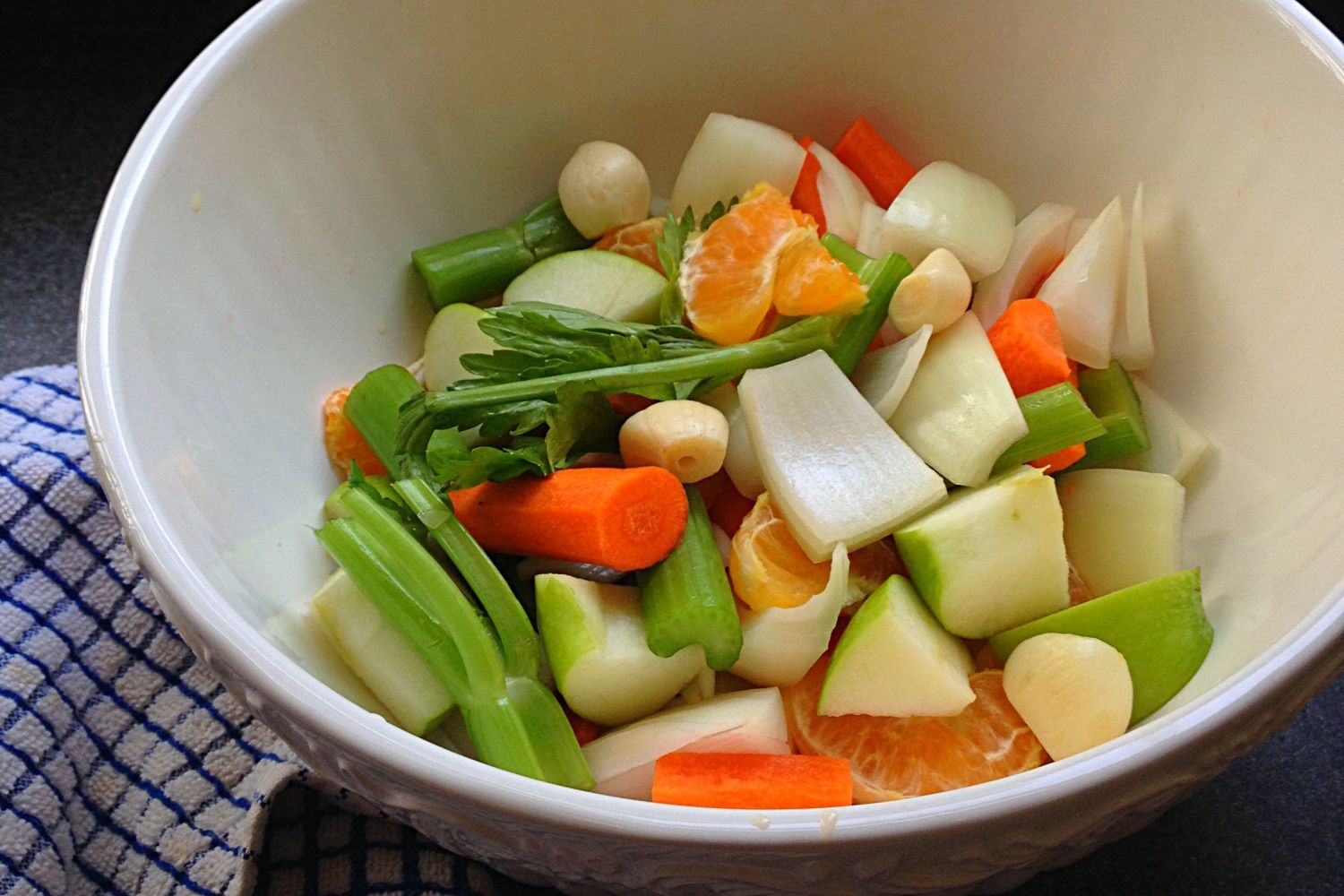
2 celery stalks, chopped
2 medium onions, chopped
2 carrots, chopped
3 garlic cloves, chopped
1 tart, sweet apple such as Stayman Winesap or Ginger Gold, chopped
1 satsuma or tangerine, sectioned and seeds removed
2 sprigs fresh thyme
1 sprig fresh rosemary
Herb Butter Rub
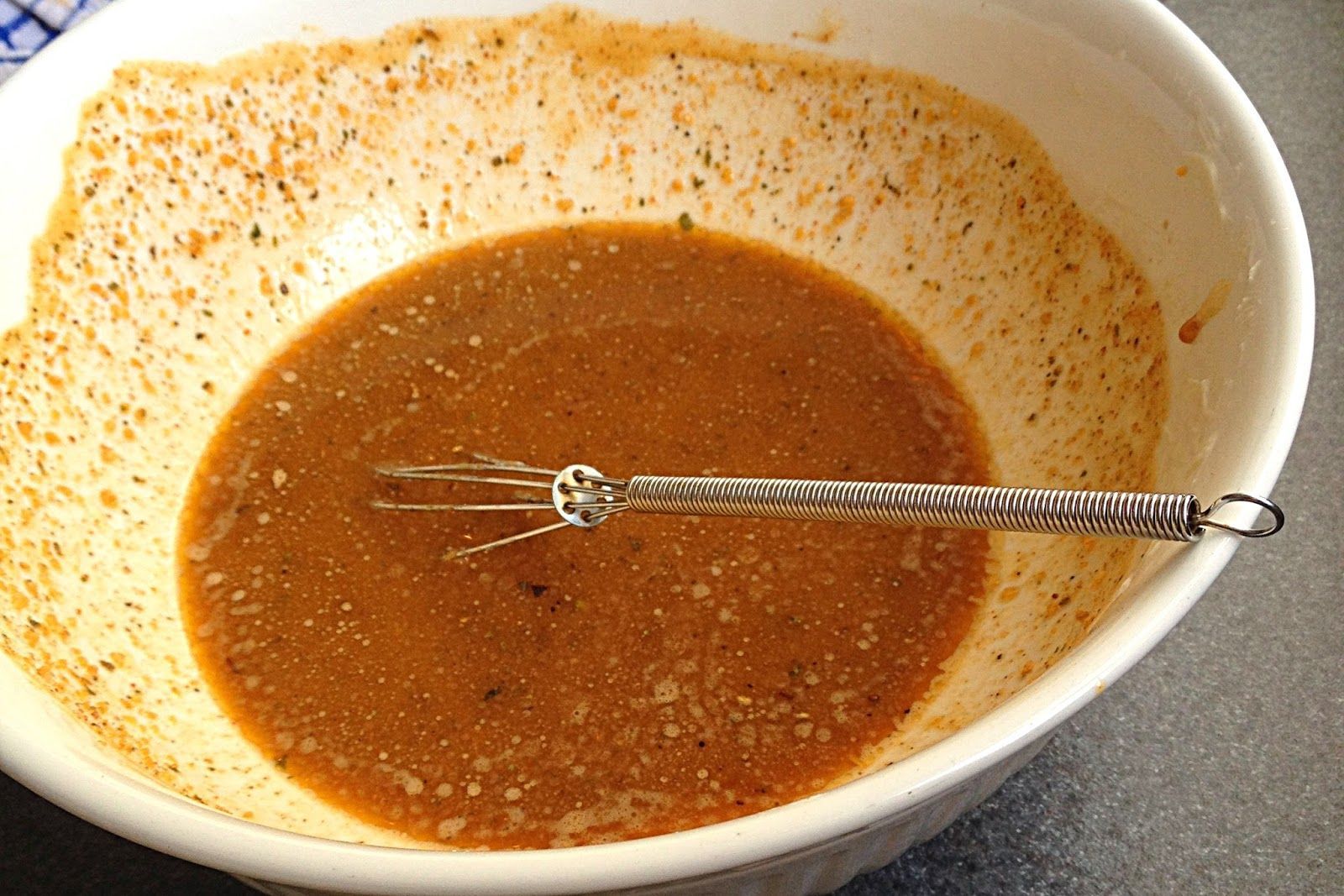
2 sticks butter
1/4 cup orange or lemon juice
2 tablespoons soy sauce
1 teaspoon rubbed sage
2 teaspoons ground thyme
1/2 teaspoon dried marjoram
1 teaspoon black pepper
1 teaspoon sea salt
To Finish
Kosher salt and black pepper
Cheesecloth to cover the top of the breast area
Olive oil to moisten the cheesecloth
About 2 cups chicken stock or water
Directions
If you have bought a frozen bird, allow about 6 hours per pound in the refrigerator to thaw before beginning.
Adjust the racks in the oven to accommodate your roasting pan, which should sit on the lowest tier. Heat the oven to 425 degrees F.
Rinse the turkey inside and out and pat dry. Place the turkey breast side up in a large baking pan. Carefully loosen the skin from the breast, thigh and drumstick areas with your fingers. Place 1 1/2 tablespoons of the rub under each breast area and about 1 teaspoon in each thigh and drumstick area. Massage the skin to distribute the rub evenly around the meat. Brush about 2 tablespoons of rub around the cavity, then lightly sprinkle kosher salt and black pepper inside the cavity.
Fill the cavity with the vegetable and fruit stuffing. Truss the legs together, sealing the cavity, and use toothpicks or lacers to seal the excess skin over the neck area. Tuck the wings under the back. Place on a wire V-rack in a large roaster. Rub or brush the remaining butter rub all over the turkey and lightly sprinkle with kosher salt and pepper. Add about 2 cups of chicken stock or water to completely cover the bottom of the pan.
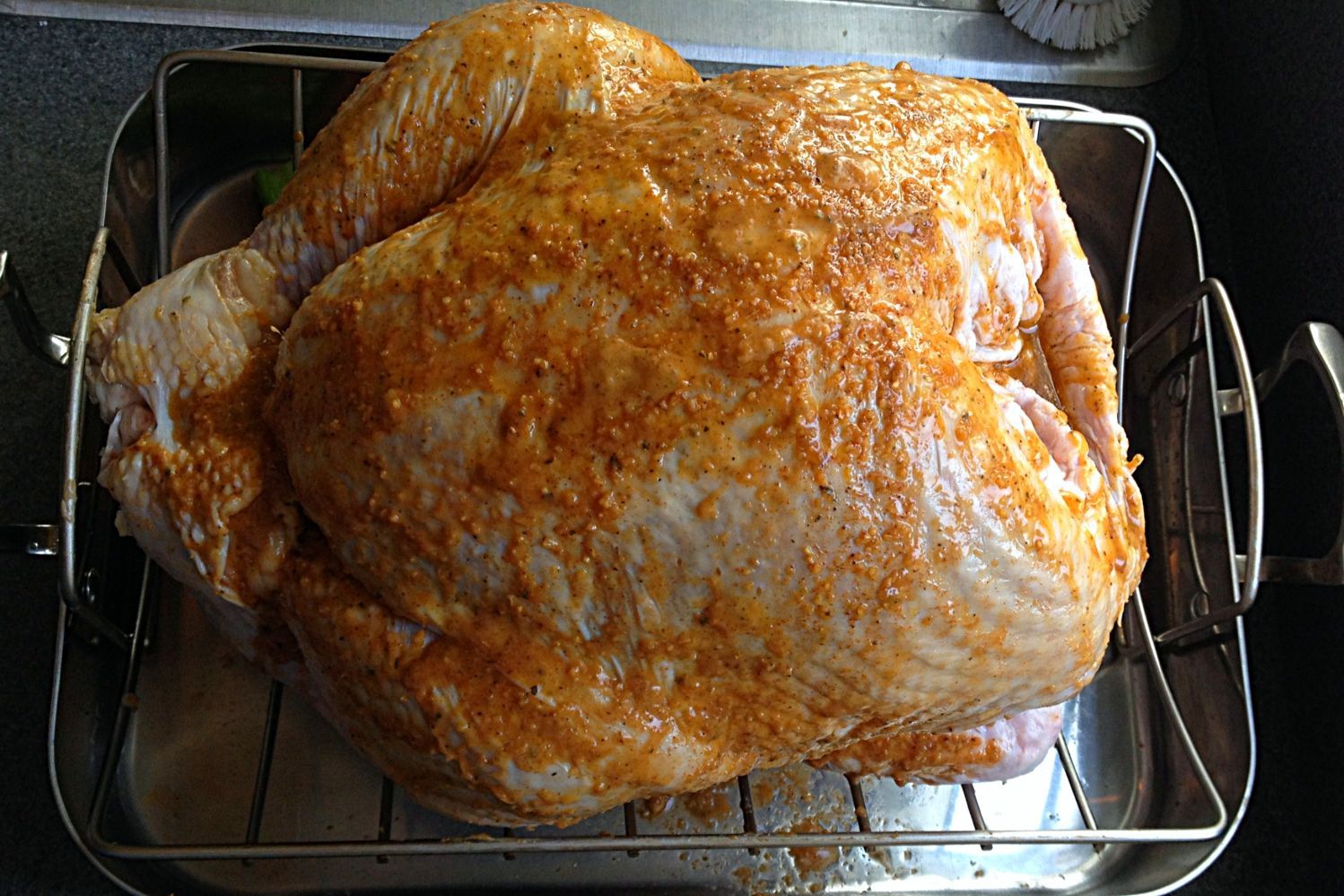
Place the roasting pan on the lowest rack in the oven and immediately reduce the heat to 350 degrees F. Cook for 1 hour, basting after 30 minutes. Remove from the oven and cover the breast with the oil-moistened cheesecloth. Insert a meat thermometer into the thickest part of the thigh, away from the bone.
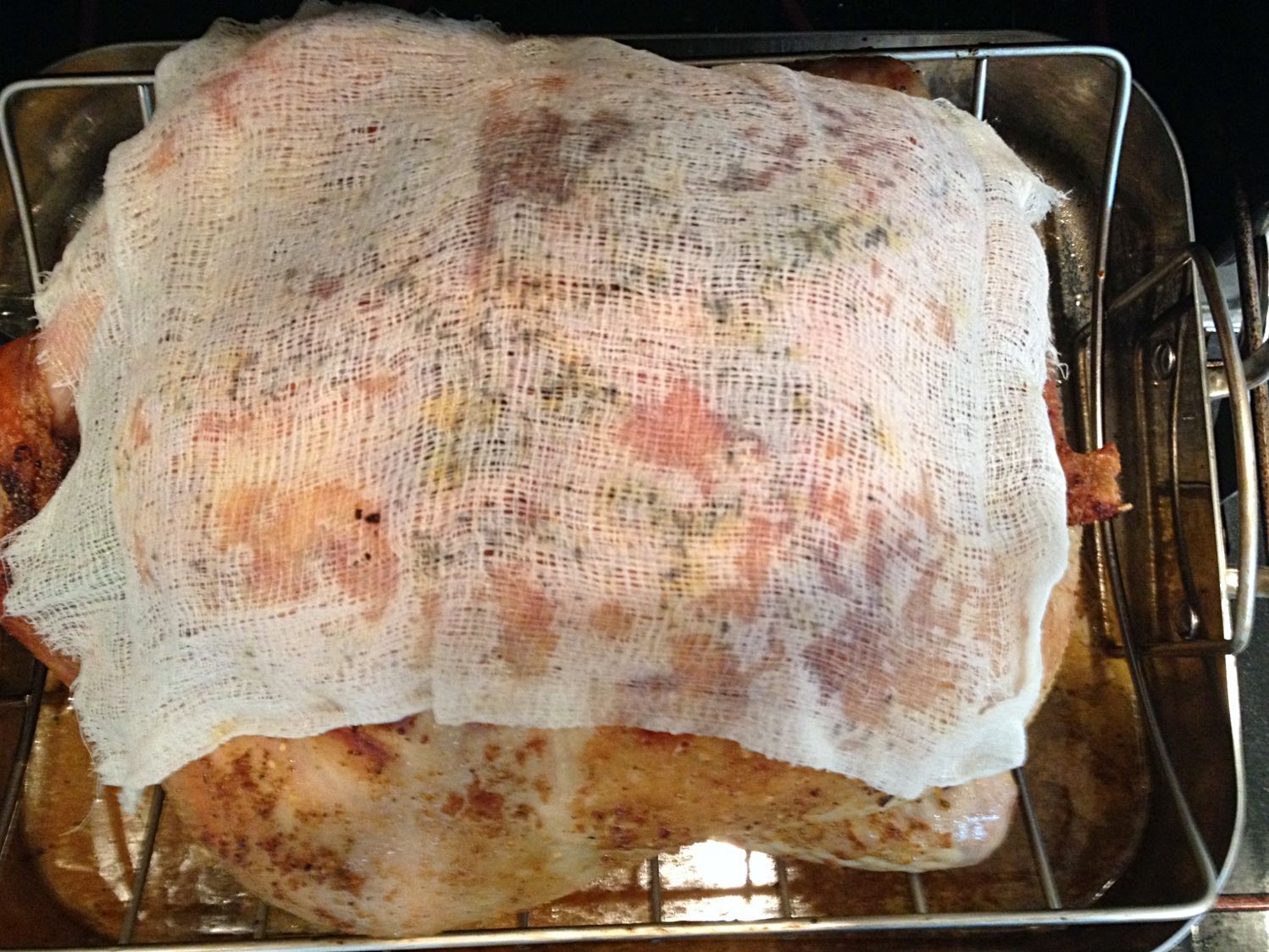
Use a baster to moisten the cloth with pan drippings. Return to the oven and continue to cook, basting every 30 minutes, until the internal temperature of the thigh meat reaches 175 degrees F. You can quick-test the breast, which should register around 160 degrees F.
Add more liquid to the pan if needed. Do not allow the drippings to evaporate, as this is not only your bird’s moistening solution, it should be used to make one heck of a pan gravy.
Timing
For birds up to 6 pounds, cook 20 minutes per pound. Over 6 pounds, cook 15 minutes per pound. I normally add another 5 minutes if not using a meat thermometer.
When done, remove the cheesecloth and let the turkey rest, slightly tented with foil, for about 30 minutes while you finish the giblet gravy.
Recipes & Posts